What Is Sewage Water . Sewage is actually the wastewater that is released from houses, hospitals, industries, offices and other sources. Blackwater, or wastewater from toilets, and graywater, which is wastewater from all domestic sources except toilets. Wastewater Treatment Essential Guide Aquatech from www.aquatechtrade.com When sewage enters a sewage treatment. Sewage contains organic wastes as well as chemicals. Sewage contains many of the elements present in wastewater, plus human waste.
Water Tank Retaining Walls. You can even have your front fence as your on site detention system if you like. There are three types of movement joints which are discussed below:
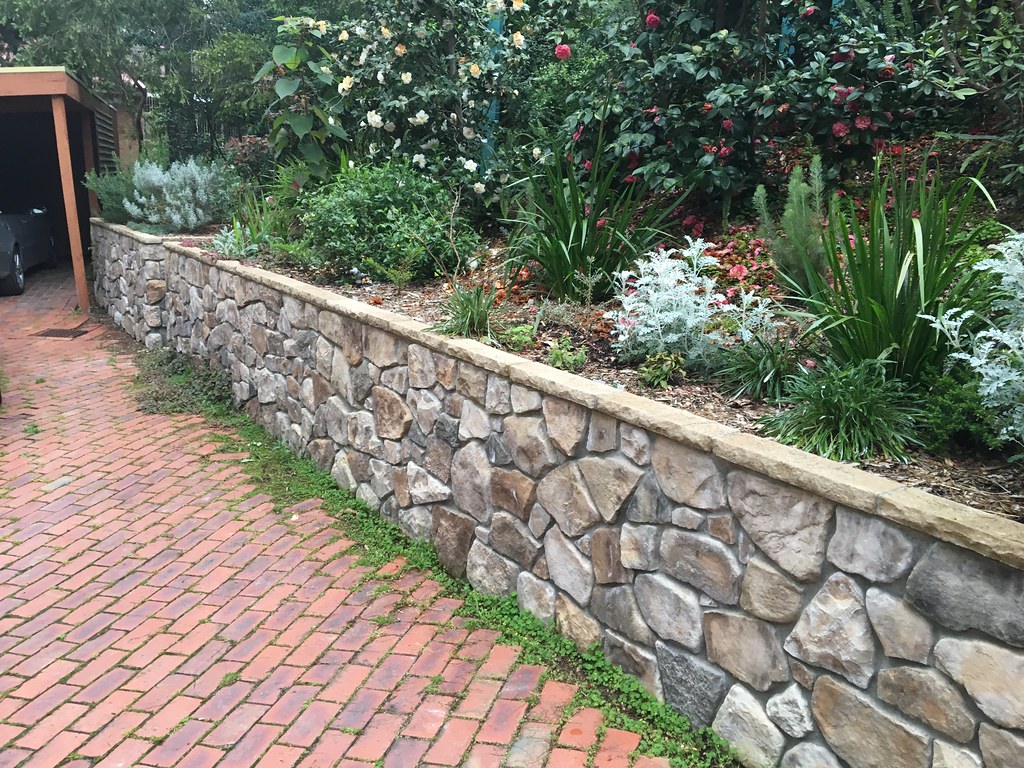
Rock retaining wall water tank Rock retaining wall that st… Flickr from www.flickr.com
Delivery and installation is simple and straight forward. Clean wall using power water blast. Given the height, h of the retaining wall, we can assume or counter check our initial design considerations should at least according to the following geometric proportions:
The Tentative Proportions Of The Parts Of Retaining Wall May Be Obtained Based On Experience And Optimization Studies.
Effect of w/c ratio on durability and porosity in cement mortar with constant cement amount. Imagine telling your neighbours you are going to have water tanks as your front fence!!! Minimizing the construction joints is an important consideration for water retaining structures like water sump, water tank and manholes.
Let Your Imagination Run Wild.water Tanks Will Never Be The Same Again.
D= 0.10h stem thickness at the bottom: They are often used as retaining walls, front fences, raised garden beds, alfresco surrounds, pool fencing and osd systems combined. For water retaining structures, the recommended minimum thickness for water tightness is 250 mm, unless the hydrostatic pressure in the tank walls is very low.
Delivery And Installation Is Simple And Straight Forward.
Edited january 1, 2021 by umarmakhzumi Tanking membranes also known as damp proof membranes are sheets of specially designed plastic material that act as a waterproof barrier to protect walls and floors from water ingress. Join us on this episode of sealed for good as we discuss waterproofing methods for retaining walls.first episode of a three part series.
Commonly, Use M15 For Lean Concrete Employ M20 For Lean Concrete In The Presence Of Aggressive Soils Or Harmful Water Consider Sulfate Resisting Concrete If Required Install Polyethylene Sheet Layer Between Lean Concrete And The Floor
Contraction joint purpose is to contain contraction of concrete. Great landscape tanks are designed for use as structural retaining walls and front fences that store rain water and they can also be used for many other structures around the home. Australian standard 4678 prescribes the design of retaining walls in australia.
Clean Wall Using Power Water Blast.
Check with your local council for details of grants available. The pressure distribution is triangular and has the maximum pressure of 2p/h at the bottom of the wall. Use m20 concrete and fe415 steel.


Comments
Post a Comment