What Is Sewage Water . Sewage is actually the wastewater that is released from houses, hospitals, industries, offices and other sources. Blackwater, or wastewater from toilets, and graywater, which is wastewater from all domestic sources except toilets. Wastewater Treatment Essential Guide Aquatech from www.aquatechtrade.com When sewage enters a sewage treatment. Sewage contains organic wastes as well as chemicals. Sewage contains many of the elements present in wastewater, plus human waste.
Water Heater Making Rumbling Noise. The solution isn’t difficult, either. If your water heater is making rumbling noises, you’ll want to look into the cause of it and fix the problem.
13 Common Reasons Why Your Water Heater Making Noise from www.sunrisespecialty.com
The solution isn’t difficult, either. The popping or crackling sound that you hear is water trying to force its way through the sediment layers. But this is also an easy fix.
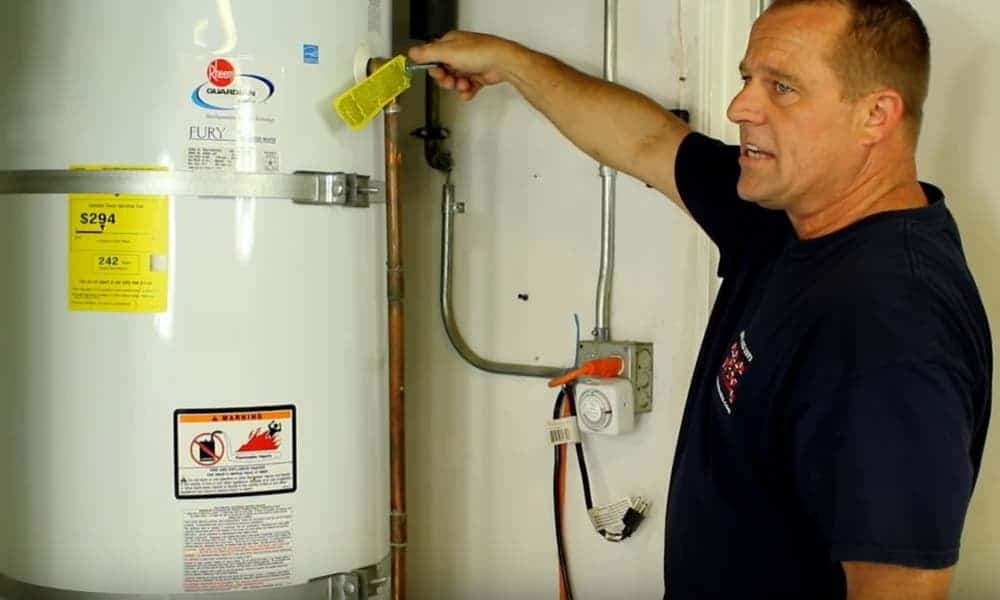
Lift Its Lever And Make Sure Hot Water Comes Out Of The Discharge Pipe.
If you’re hearing a sizzling noise from your water heater, the issue could trace back to poor water flow into the tank. In any water, but especially hard water, sediment will slowly build up in the tank. If it’s making a lot of noise when turned on, it may be because calcium deposits are being left behind due to hard water in your area.
You May Notice The Water Is Hotter Too, Which You May Feel Is A Positive, But It Could Lead To A Ruptured Tank And A Flood.
Cracking, popping, and rumbling sounds are typical in electric water heaters. Close the valve on the cold water supply pipe of the water heater, to shut off the water flow to the tank. Follow these steps to flush your water heater:
What Is Causing The Popping Noise?
Make sure your water heater has enough space on all sides. Water heater makes a rumbling or clanking noise. Installing a water softener system may be necessary.
But This Is Also An Easy Fix.
Electric water heater making popping noises. Open the hose faucet valve and let the tank drain completely. After a while, that sediment builds up into a crusty deposit on the bottom of your tank.
The Pipes In Your Building.
Water flow displaces the sediments, and that’s what you hear. If your tank is less than. When there is excess pressure, this device releases water from your tank.


Comments
Post a Comment